
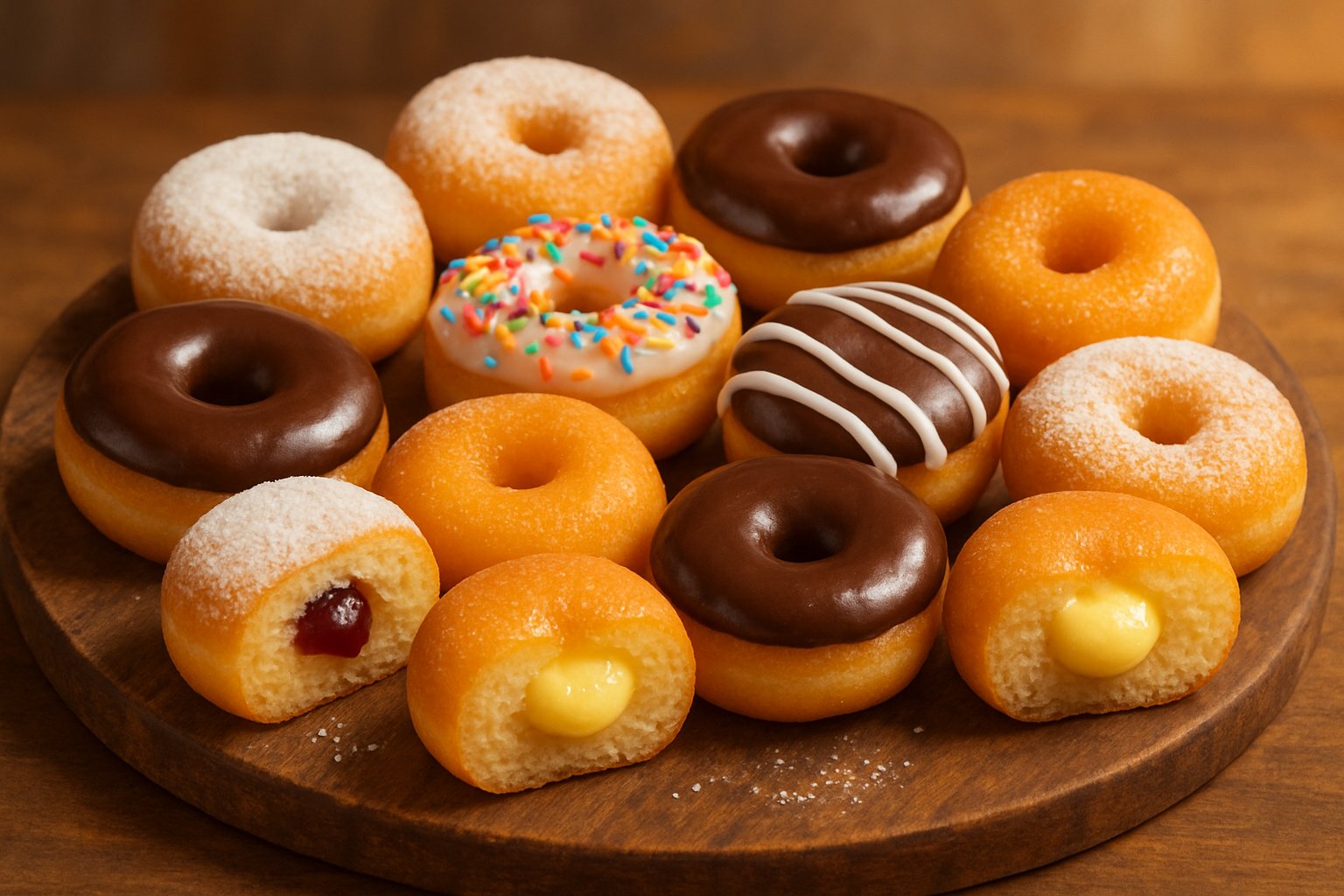
Mini donuts offer a perfect balance of indulgence and portion control, making them a popular treat for any occasion. They can be baked or fried, allowing for different textures and flavors while being easy to customize with various coatings and fillings. Mini donuts provide a delicious snack option that satisfies sweet cravings without the heaviness of a full-sized donut.

Making mini donuts at home is straightforward and flexible, allowing for creativity with simple ingredients and techniques. Whether using a donut maker, baking in the oven, or deep frying, the process can be adapted to fit time, skill level, and equipment available.
They also make versatile party treats, appealing to different tastes by offering classic flavors like cinnamon sugar or chocolate, as well as unique combinations. Many recipes exist to guide anyone interested in mastering this small yet satisfying dessert. For a range of ideas and methods, exploring different mini donut recipes can be helpful. For example, one collection offers 18 fun mini donut recipes.
Why you’ll love mini donuts
Mini donuts offer a convenient, bite-sized treat that appeals to a wide range of tastes. Their small size makes them easy to enjoy without feeling too heavy or indulgent.
They are versatile in flavor and presentation. Whether coated in cinnamon sugar, drizzled with chocolate glaze, or topped with colorful sprinkles, mini donuts can be customized for any occasion.
Mini donuts can be baked or fried. Baking makes them lighter and easier to prepare, while frying delivers a classic texture. This flexibility suits different dietary preferences and cooking styles.
They are quick to make, often ready in under 30 minutes. This convenience is ideal for satisfying sweet cravings or hosting events with minimal fuss.
Mini donuts are also beginner-friendly baking projects. Their forgiving recipes give consistent, fluffy results, helping those new to baking build confidence.
Key benefits of mini donuts:
| Benefit | Description |
|---|---|
| Portion Control | Small size helps manage intake |
| Customizable Flavors | Wide variety of glazes and toppings |
| Quick Preparation | Ready to enjoy in less than 30 minutes |
| Kid-Friendly | Fun colors and bite-size appeal |
| Baking or Frying | Suitable for different cooking methods |
This combination of convenience, flavor variety, and versatility makes mini donuts a popular choice for both everyday treats and special celebrations.
Learn more about their appeal and recipes in this mini donuts guide.
Equipment and ingredients
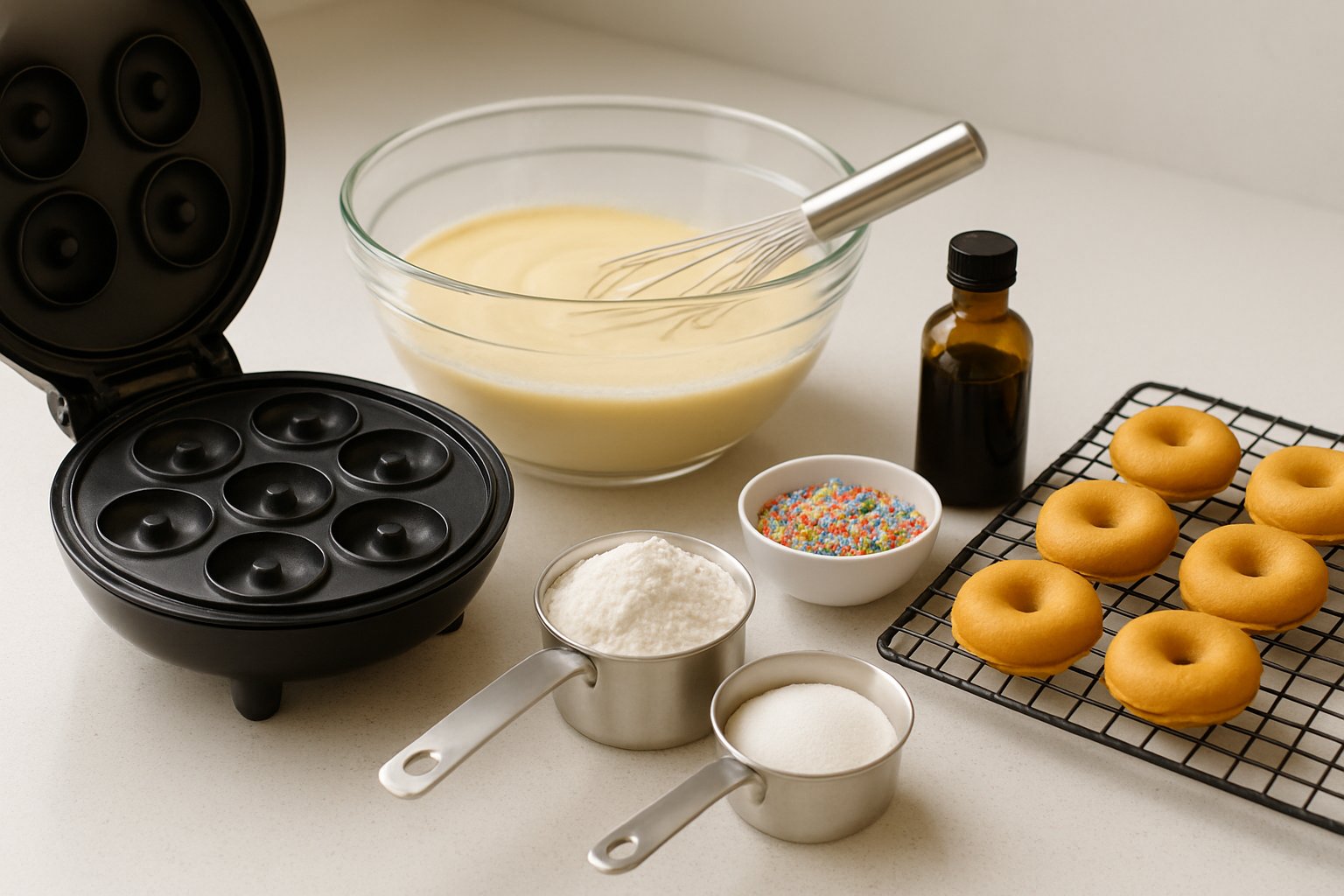
Mini donuts require a specific set of ingredients and tools to achieve the right texture and shape. Precision in selecting both ensures consistent results, whether baked or fried.
Ingredients
The basic ingredients include all-purpose flour, sugar, baking powder, salt, eggs, milk, and melted butter or oil. These create a balanced batter that yields tender mini donuts with a slight rise.
For flavor variations, vanilla extract is commonly added. Additional options like cocoa powder or cinnamon can customize taste profiles.
Sugar and cinnamon blends or glaze ingredients such as powdered sugar, milk, and vanilla support finishing touches. These ingredients are essential regardless of the cooking method chosen.
Useful Products
A mini donut pan is a fundamental tool for baked donuts, offering a uniform shape and size. Two pans allow baking 24 mini donuts per batch. Non-stick coatings are recommended to prevent sticking.
Alternatively, a mini donut maker provides direct heat and quick cooking, often featuring non-stick surfaces for easy release.
For fried mini donuts, a deep fryer or a heavy pot with a thermometer is necessary to maintain consistent oil temperature. A slotted spoon or wire rack helps drain excess oil.
Basic mixing bowls, a whisk, and piping bags or a spoon assist in preparing and transferring the batter precisely.
Notes
Batter consistency is crucial—overmixing can lead to dense donuts. Mixing dry and wet ingredients separately before combining ensures even distribution without overworking the gluten.
Using fresh ingredients, especially leavening agents like baking powder, affects rise and texture. Properly heated pans or oil temperature (around 350°F) guarantee even cooking.
Cleaning and maintaining equipment, especially non-stick surfaces, prolong functionality and prevents sticking or burning.
Considering these essentials improves the mini donut-making process and final product quality significantly.
For more detailed equipment recommendations, see this mini donut equipment guide.
How to make mini donuts
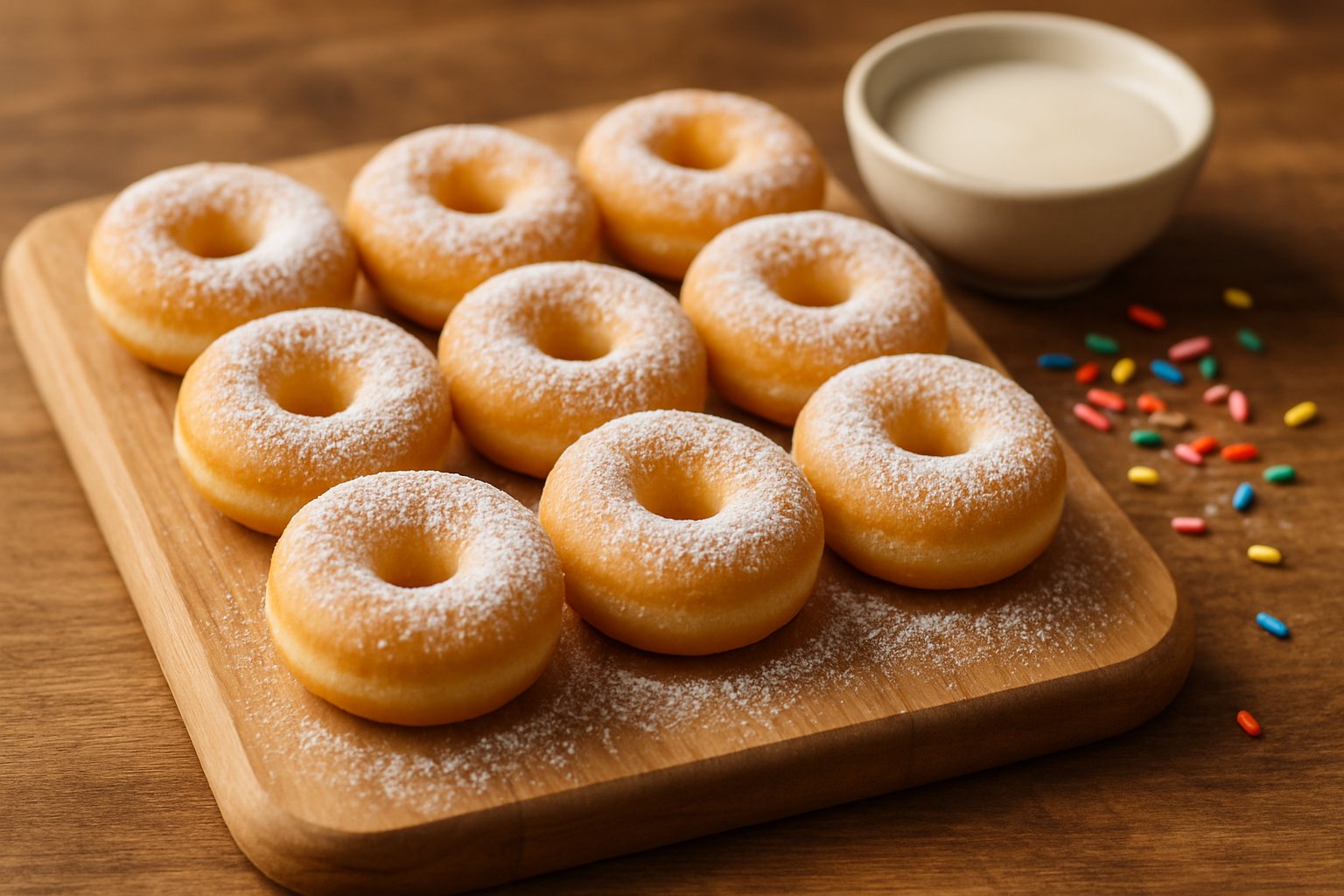
Mini donuts require precise steps for mixing, cooking, and finishing to get the right texture and flavor. Key elements include preparing the batter, using proper cooking methods, and making simple icings or coatings. Deep frying at home takes some care, and notes on technique ensure consistent results.
Instructions
Start by combining dry ingredients: all-purpose flour, sugar, baking powder, and a pinch of salt. In a separate bowl, whisk wet ingredients such as eggs, buttermilk, and melted butter. Slowly blend the wet into the dry until smooth but avoid overmixing to keep donuts tender.
Use a piping bag or spoon to fill a greased mini donut pan about three-quarters full. Bake at 350°F (175°C) for 8-10 minutes or until lightly golden and springy to touch. Let them cool on a wire rack before glazing or coating.
How to make mini donuts
Mini donuts can be baked or fried. Baking is cleaner and uses a mini donut pan. For frying, the dough should be slightly thicker and properly rested if using yeast.
A basic batter consists of flour, sugar, baking powder, eggs, buttermilk, butter, and vanilla extract. It may include ricotta cheese for extra moistness. Once mixed, portion the batter evenly for uniform size and even cooking.
Cooling is essential before glazing or dipping in sugar to prevent melting or sogginess. Mini donuts often get a coating of cinnamon sugar or a simple vanilla glaze.
How to make vanilla icing
Combine powdered sugar with milk or cream gradually until smooth and pourable. Add vanilla extract for flavor. Typically, use about 1 cup of powdered sugar with 2-3 tablespoons of milk and ½ teaspoon of vanilla.
Adjust consistency by adding more sugar to thicken or more milk to thin. The icing should coat evenly without running off completely. Dip each donut or drizzle icing on top, then allow it to set on a rack.
How to deep fry mini donuts at home
Heat oil, such as vegetable or canola, to around 365°F (185°C). Use a deep-fryer or a heavy pot filled with 2-3 inches of oil. Carefully drop shaped donut dough into the hot oil.
Fry donuts for 1-2 minutes per side until golden brown. Avoid overcrowding the oil to maintain temperature and even cooking. Remove with a slotted spoon and drain excess oil on paper towels.
Work quickly but carefully to prevent burning. After frying, toss in cinnamon sugar or apply icing while warm for best adhesion.
Notes
Use fresh leavening agents like baking powder to ensure proper rise. Overmixing batter develops gluten, leading to tough donuts. For baked versions, filling the pans nearly full avoids dense donuts.
Temperature control is critical during frying; too hot burns the outside, too cold makes them greasy. Allow donuts to cool somewhat before glazing for cleaner results.
Experimentation with flavors, coatings, and toppings can enhance the experience but maintain simple techniques for consistent texture and taste. Fresh mini donuts are best enjoyed within a few hours of preparation.
For detailed donut recipes and tips, see the Mini Donuts Recipe and other resources on making mini donuts.
Flavor variations and recipes
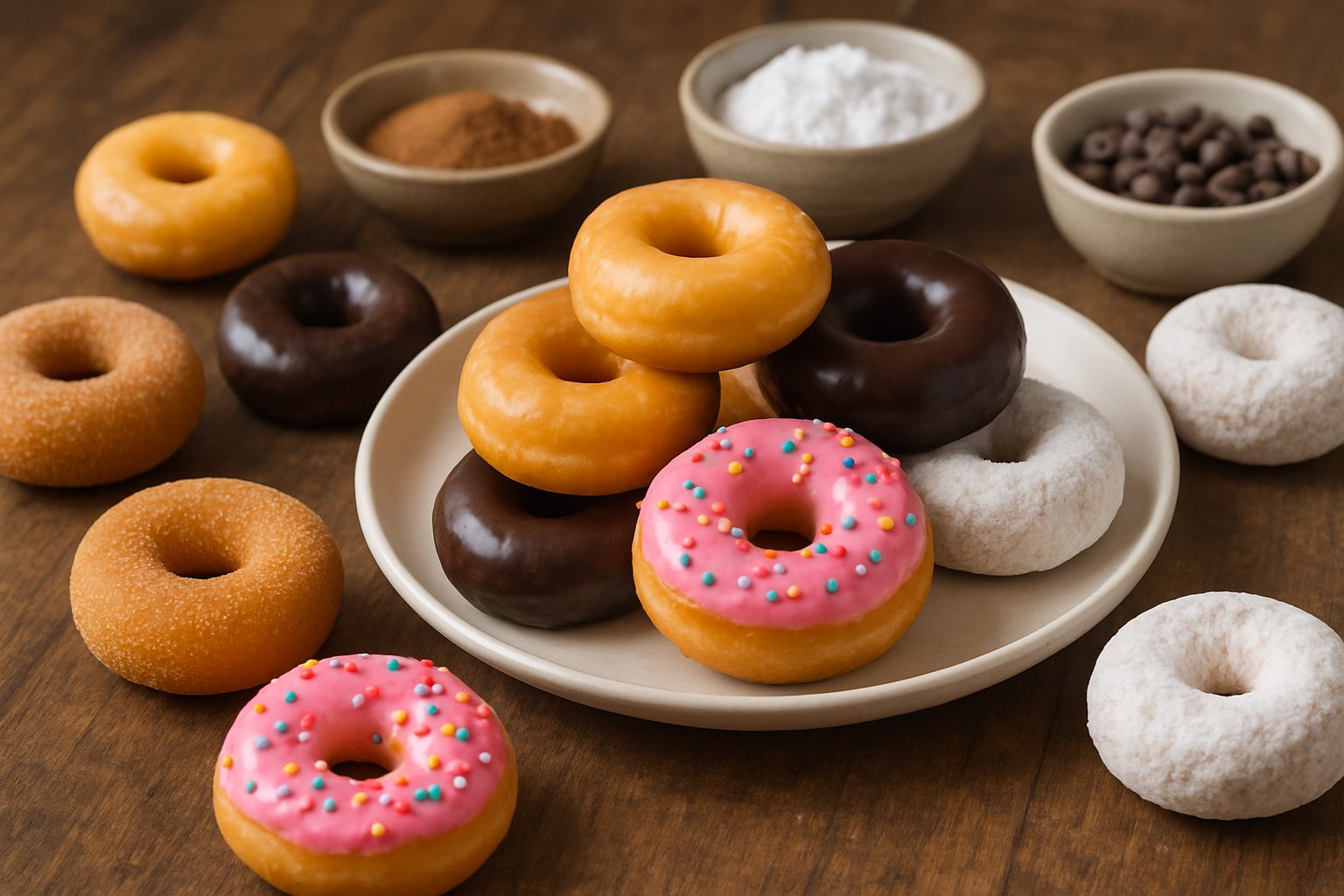
Mini donuts offer a wide range of flavors, from fruity to classic sweet tastes. Many recipes use simple ingredients but allow creative toppings and glazes to suit different preferences. Experimenting with these variations can enhance the bite-sized treat’s appeal across occasions.
Strawberry Mini Donuts
Strawberry mini donuts combine fresh or powdered strawberries with basic donut batter. Often, strawberry glaze made from pureed strawberries and powdered sugar tops the donuts, adding natural sweetness and color.
Some recipes incorporate freeze-dried strawberry powder directly into the dough for a concentrated flavor. Toppings like white chocolate drizzle or crushed freeze-dried strawberries can boost texture and taste. These donuts serve well as breakfast treats or dessert options, offering a lighter fruity alternative to richer flavors.
For more detailed recipe options, refer to strawberry flavored mini donut recipes here.
Flavor variations
Mini donuts frequently come in classic forms like vanilla, cinnamon sugar, and chocolate glazed. Each offers distinct textures and tastes—from the crisp sugar coating to rich, smooth chocolate icing.
Other variations include lemon blueberry, spicy chocolate, or even savory-infused donuts. Creating these flavors might involve adding extracts, zest, or spices to the dough or glaze. Use topping combinations like sprinkles, nuts, or glaze swirls for added appeal.
Basic homemade dough recipes work well with flavor adjustments, making it easy to tailor donuts to specific events or personal tastes. Experimentation is encouraged given the simple core ingredients found in many recipes.
See a full list of 20 exciting mini donut flavor ideas at God Is A Rewarder.
More donut recipes
Beyond mini donuts, there are various recipes for cake donuts, yeast donuts, and fried or baked versions. Cake donuts tend to be denser and are often baked instead of fried, making them easier to prepare in home kitchens.
Yeast donuts create a lighter texture but require more time for rising and proofing. Recipes often provide simple ingredient lists and step-by-step instructions suited for different skill levels. Decorating options range from simple glazes to elaborate icings and toppings.
For quick mini donuts made in 15 minutes with straightforward ingredients, see Viola Recipes.
More Dessert Recipes
For those interested in expanding beyond mini donuts, other bite-sized desserts like cookies, cupcakes, or muffins often share similar ingredients and simple preparation methods. Many mini donut recipes can be adapted into these desserts with minor adjustments.
Desserts featuring fresh fruit, chocolate, or spice blends remain popular. These sweet treats work well for brunches, parties, or casual snacking. Customizable decoration techniques apply across several desserts, making them versatile for themed events.
Find a variety of easy and delicious mini dessert ideas at Just For All.
Storage tips
Proper storage keeps mini donuts fresh and maintains their texture. The key is to control moisture and temperature while protecting them from air exposure.
How to store
Mini donuts should be kept in an airtight container to prevent staleness. At room temperature, they stay good for 1 to 2 days, especially if unglazed.
For longer storage, freezing is recommended. Each mini donut should be wrapped tightly in plastic wrap or aluminum foil before placing them in a freezer-safe bag or container. This helps avoid freezer burn and preserves their softness.
Refrigeration is generally not advised because it can cause mini donuts to dry out quickly. If refrigeration is necessary, keep them sealed well and consume them within 3 days for best taste.
Following these steps will maintain freshness and flavor for mini donuts over short or extended periods. More details on proper methods can be found in this guide on mini donut storage.
Frequently Asked Questions
Mini donuts can be baked or fried, and recipes vary depending on dietary needs and available equipment. Common concerns include ingredient allergies and cooking methods. People also ask practical questions about mini donut pans, ingredient substitutions, and business startup options.
Answers to your baking questions
Mini donuts are traditionally fried but can also be baked using a specialized mini donut pan. Baking offers a healthier alternative without deep frying.
Key ingredients usually include all-purpose flour, sugar, eggs, milk, and baking powder. Some recipes may contain allergens like wheat, milk, eggs, soy, and nuts. Gluten-free options are rare unless made with specific flours.
Using a piping bag to fill the mini donut pan ensures even shapes. Glazes and toppings can be customized, from simple sugar glaze to sprinkles or cinnamon sugar.
Reader Interactions
Many readers ask if mini donuts can be made without deep fryers. The answer is yes, baking in a mini donut pan works well. Others inquire about starting mini donut businesses, including franchise and equipment questions.
Allergen concerns are frequent. Brands typically list potential allergens like wheat, milk, eggs, soy, and nuts on their FAQ pages.
Common requests include advice on equipment maintenance and financing options when opening a donut business, reflecting interest beyond home baking. For detailed business FAQs, see Lil’ Orbits’ donut resource page.
About The Author