
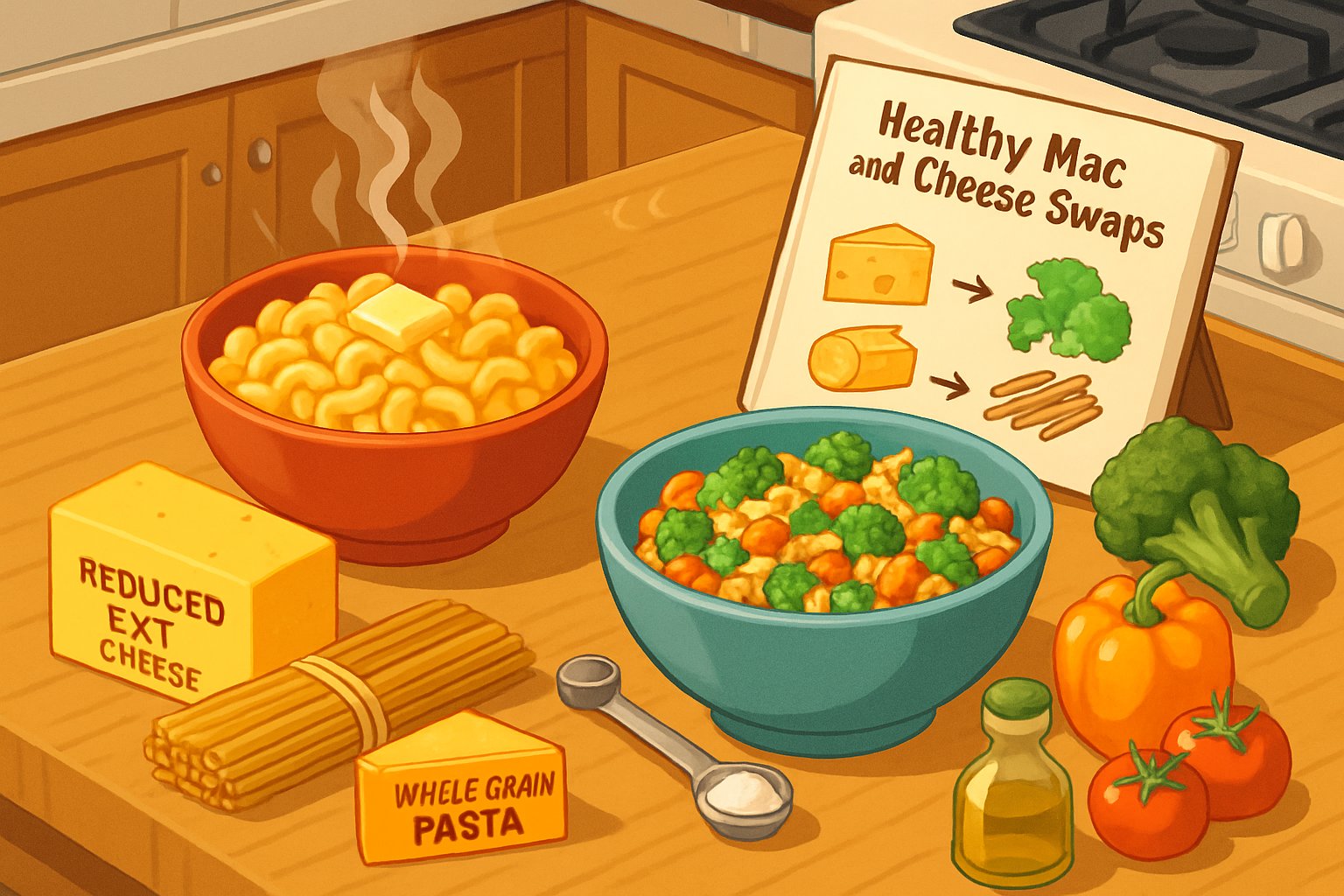
Macaroni and cheese is a staple comfort food enjoyed by many, but its health value often raises questions. While traditional recipes tend to be high in calories, fat, and sodium, the dish’s overall healthiness depends largely on the ingredients and preparation methods we choose. Mac and cheese can be part of a balanced diet if made with healthier swaps like whole grain pasta, reduced-fat cheese, and added vegetables.
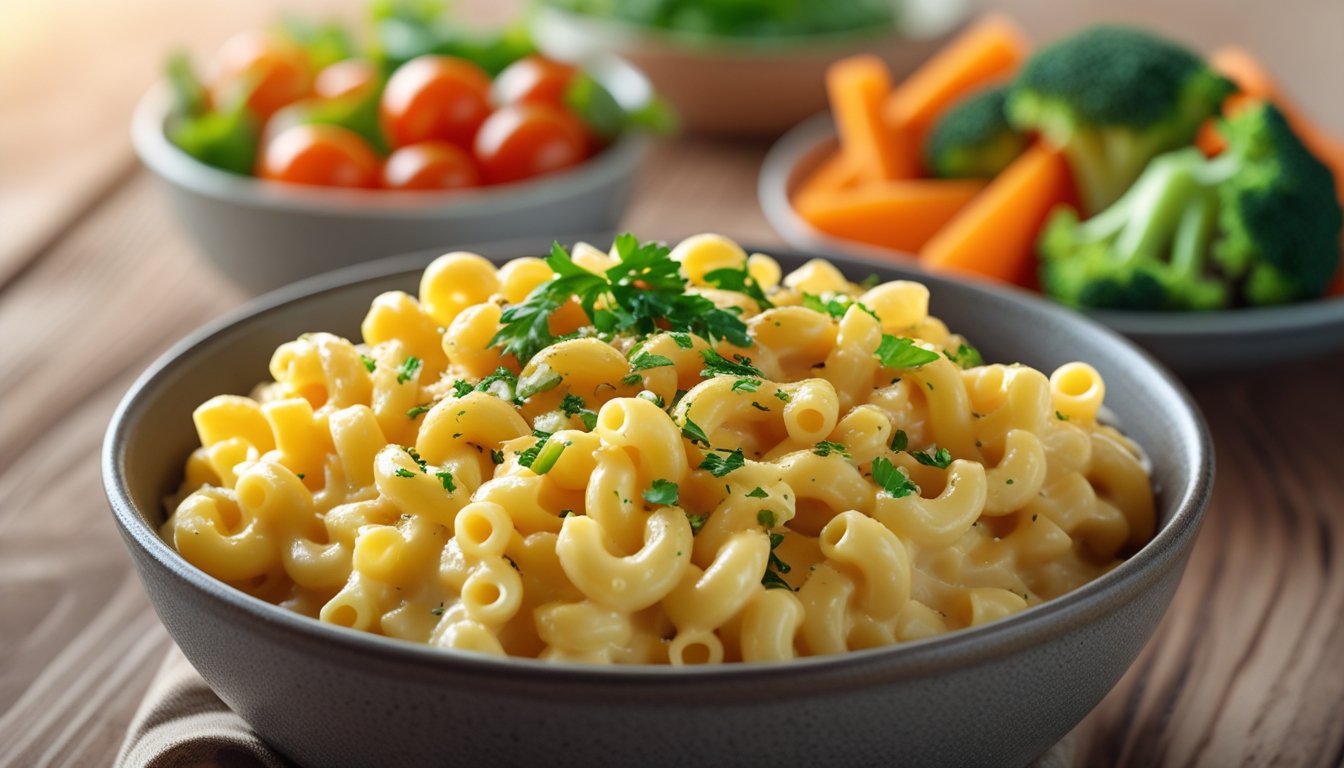
Understanding the nutritional profile of mac and cheese helps us make better decisions about when and how to enjoy it. Cheese provides important nutrients like protein and calcium, but standard versions often include processed ingredients and excess sodium, which can pose risks if consumed frequently. By exploring these factors, we can appreciate how to keep mac and cheese both satisfying and more nutritious.
We’ll look at the key benefits and drawbacks of mac and cheese, along with practical tips for making healthier versions without sacrificing flavor. This gives us a clearer picture of whether this classic dish fits into our health goals or if it’s better left as an occasional indulgence. For more detail on balancing calories and nutrition, see healthier preparation options for mac and cheese.
Nutrition and Health Benefits of Mac and Cheese
Mac and cheese contains a mix of nutrients that can contribute to our daily dietary needs, but it also comes with considerations based on preparation. By understanding its nutritional components and effects on health, we can make informed choices about including it in our diets.
Mac and Cheese Nutrients
Macaroni and cheese provides protein, mainly from cheese and milk, which is essential for muscle repair and growth. It also contains calcium and phosphorus, vital for bone health. The pasta supplies carbohydrates that fuel our energy needs.
Classic recipes can be high in saturated fat, sodium, and calories, depending on the type of cheese and milk used. Using whole-grain or whole-wheat pasta increases fiber content, aiding digestion. Some versions also include B-vitamins from enriched pasta, supporting metabolism.
Health Benefits
Mac and cheese can offer nutritional benefits like supporting bone strength through its calcium content. Protein contributes to satiety, helping control appetite. When made with nutrient-rich ingredients, it can also provide vitamins like riboflavin and niacin.
Including vegetables or using low-fat dairy alternatives in recipes can improve its health profile. It is possible to enjoy mac and cheese as part of a balanced diet without excessive calories or sodium. Homemade versions allow better control over ingredients compared to many store-bought options.
Health Conditions
High sodium and saturated fat levels in many traditional mac and cheese recipes may pose concerns for people with hypertension or cardiovascular issues. Overconsumption might contribute to weight gain because of calorie density.
For those with lactose intolerance or dairy allergies, typical mac and cheese can trigger symptoms. However, dairy-free cheese alternatives and lactose-free milk can make it accessible without health risks.
Condition Spotlight
Hypertension is particularly relevant when considering mac and cheese’s health impact. Store-bought or restaurant versions often contain elevated sodium levels that can raise blood pressure. We can reduce this by preparing mac and cheese at home with controlled salt and using lower-sodium cheese options.
Managing portion size and balancing the meal with vegetables can mitigate risks while still enjoying the dish. Monitoring overall dietary sodium helps maintain heart health when including mac and cheese in our menu.
Wellness Topics
From a wellness perspective, mac and cheese can fit into a healthy eating pattern if made mindfully. Choosing whole-grain pasta, incorporating vegetables, and limiting added salt improve its nutritional value.
We should consider meal balance, combining mac and cheese with fiber-rich foods to support digestion and blood sugar control. Homemade recipes allow customization to reduce additives like preservatives and excessive fats, supporting long-term health goals.
For detailed nutritional insights and tips to make healthier mac and cheese, visit this article on Mac And Cheese Nutrition Facts by Brand.
Health Risks and Considerations
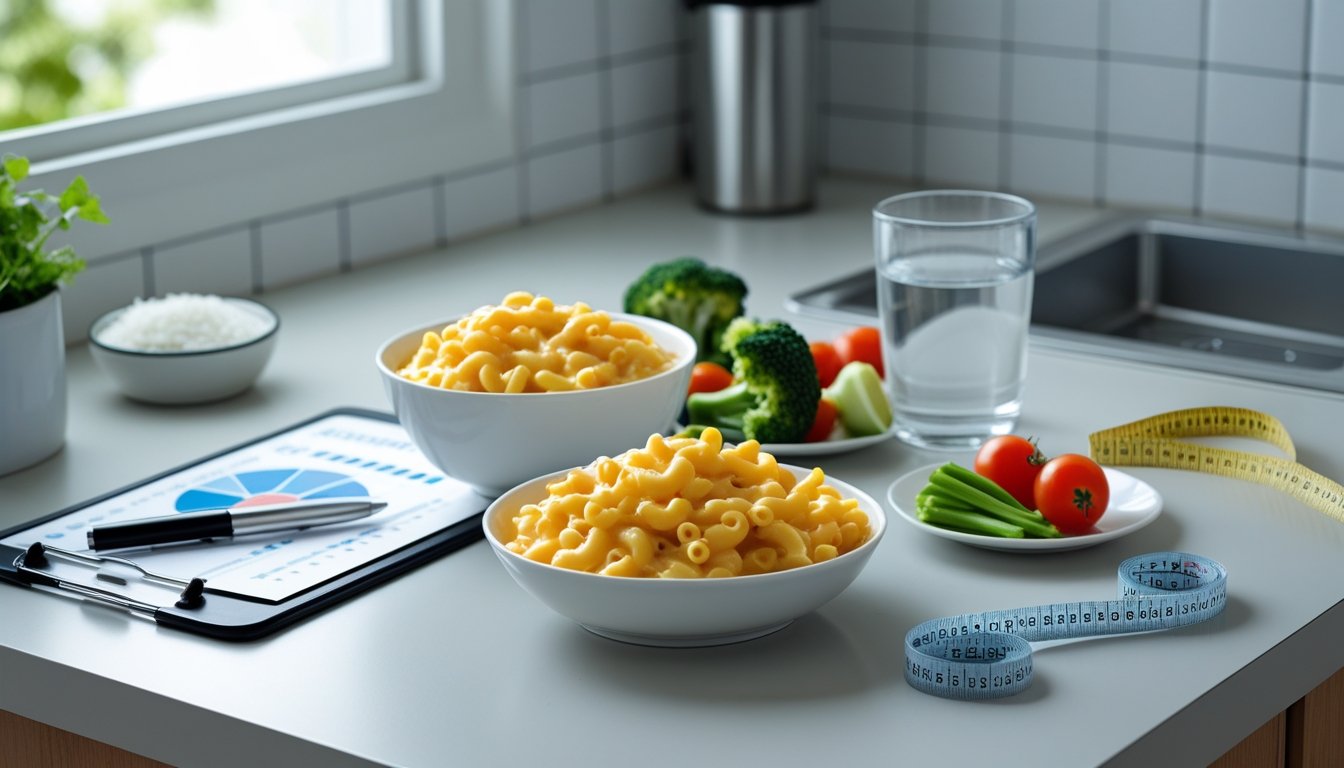
Mac and cheese often contains high levels of saturated fat, sodium, and artificial additives that can impact our health over time. It is important to be aware of these factors when deciding how frequently to include it in our diets or when choosing specific products.
Health Risks
Traditional mac and cheese is rich in saturated fats primarily from cheese and butter. Consuming these fats in excess can raise our LDL cholesterol, increasing the risk of heart disease.
High calorie content in mac and cheese also contributes to weight gain if eaten too often. This can lead to obesity-related conditions, including type 2 diabetes and cardiovascular problems.
Some boxed versions contain chemicals like phthalates, which may pose additional health concerns. Frequent consumption of such products should be limited to reduce potential exposure.
Sodium Content
One serving of traditional mac and cheese may contain a significant portion of our recommended daily sodium intake. Excess sodium raises blood pressure and strains our cardiovascular system.
For example, many commercial varieties pack over 700 mg of sodium per serving, which is about 30% of the advised limit for most adults.
People with hypertension or heart disease need to be especially cautious with mac and cheese because of its sodium load. Checking nutrition labels is always advisable.
Sneaky Sodium Bombs
Some microwavable or boxed mac and cheese contain hidden sodium sources beyond table salt. Ingredients like cheese powder, processed cheese, and preservatives add to the total sodium.
Even “low-fat” or “reduced-calorie” versions may still pack high sodium levels, which can be misleading. We should not rely on fat content alone when assessing healthfulness.
Awareness of these sodium bombs helps us make better choices or consider homemade recipes where we control salt and quality of ingredients.
How to Choose and Store Mac and Cheese
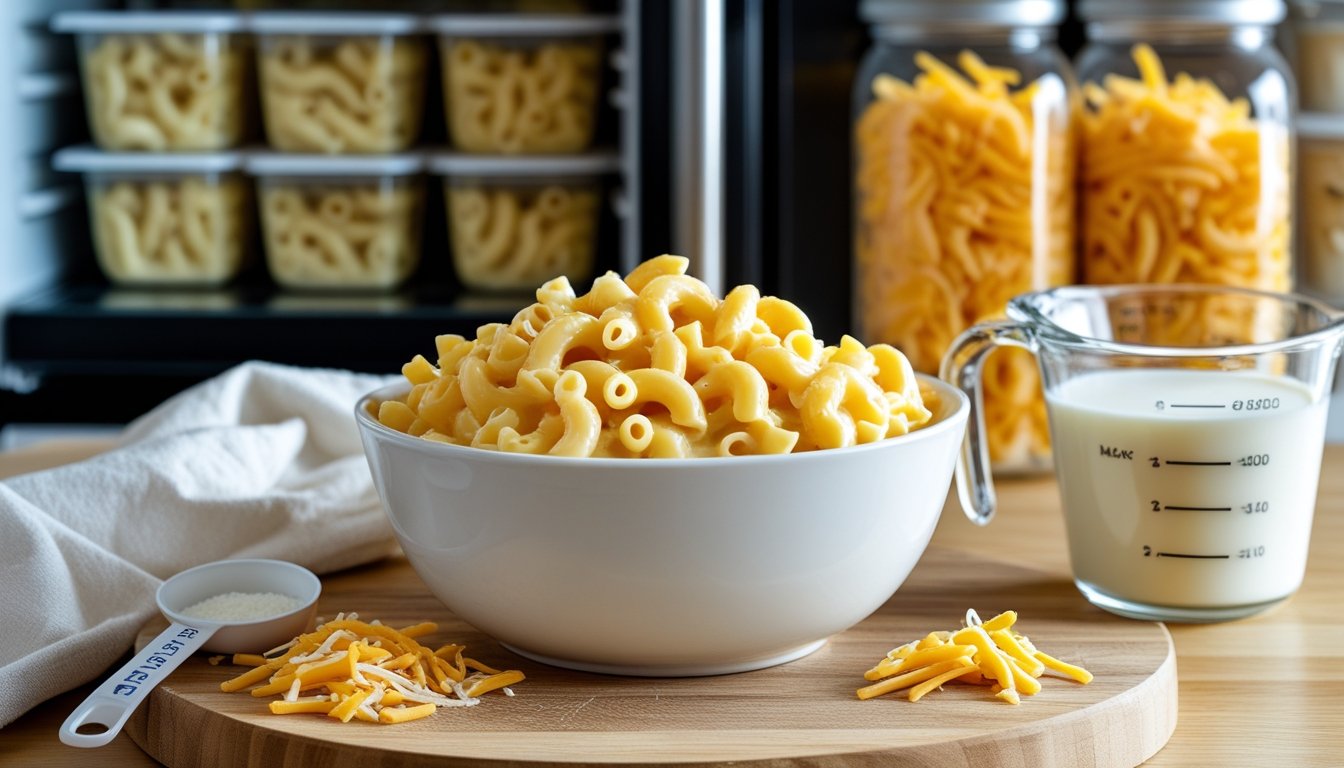
Choosing the right mac and cheese is key to balancing convenience with nutrition. Proper storage ensures safety and maintains quality. Understanding shelf life and managing leftovers helps prevent waste and keeps the dish enjoyable.
How to Choose Mac and Cheese
When selecting mac and cheese, prioritize products with real cheese and whole-grain or legume-based pasta for extra fiber and protein. Avoid boxes high in added sugars, artificial ingredients, or excessive sodium.
Look for options labeled gluten-free or those made with chickpea pasta for a healthier boost. Reading nutrition labels helps us identify mac and cheese with lower fat and more protein than standard varieties.
Adding frozen vegetables or fresh herbs like parsley can make the dish more nutritious without complicating preparation. These simple upgrades improve nutrient content and flavor.
How to Store Mac and Cheese
To keep mac and cheese fresh, store it in an airtight container immediately after cooling. Refrigerate within two hours of cooking to prevent bacterial growth.
We recommend using containers with tight seals to reduce exposure to air and moisture. For frozen mac and cheese, portion it out before freezing to make reheating easier and maintain texture.
Proper storage also means labeling containers with the date made. This helps us track how long it has been stored and prevents accidental consumption of spoiled food.
Can Mac and Cheese Expire?
Yes, mac and cheese can expire. Prepackaged boxed varieties usually have a “best by” date, indicating peak quality rather than safety. Consuming it past this date risks a decline in flavor and texture.
Cooked mac and cheese is more perishable due to moisture content. Bacteria can develop if left out at room temperature for more than two hours. Heating leftovers repeatedly also shortens shelf life.
For boxed mac and cheese powder, storage in a cool, dry place preserves freshness. Once opened, it is best used within a few months to avoid loss of flavor or contamination.
How Long Does It Last?
Cooked mac and cheese typically lasts 3 to 4 days in the refrigerator. Freezing can extend this to about 1 to 2 months without significant quality loss.
Unopened boxed mac and cheese can last up to a year or longer if stored properly. Once prepared, leftover mac and cheese should be refrigerated promptly and consumed within the timeframe mentioned.
Always check for signs of spoilage like off smells, mold, or changes in texture before eating leftovers to avoid foodborne illness.
What to Do with Leftovers?
Leftover mac and cheese can be reheated in the oven or microwave. Adding a splash of milk or water during reheating helps restore creaminess.
We can also repurpose it into new dishes, such as baked mac and cheese with a crunchy breadcrumb topping or mixing it with vegetables and proteins for a casserole.
When reheating, heat leftovers evenly to at least 165°F (74°C) to kill any bacteria. Avoid reheating multiple times to maintain food safety and quality.
Ways to Make Mac and Cheese Healthier
Adjusting a few ingredients can lower calories, increase nutrients, and improve the overall balance of mac and cheese. We focus on simple swaps and additions that keep the creamy texture and rich taste while making it better for us.
Make Alt-Noodles Your Base
Replacing traditional macaroni with alternatives can reduce refined carbs and boost fiber. Options like whole wheat, chickpea, lentil, or brown rice pasta add nutrients and keep us fuller longer. These noodles also often have more protein.
We can also try gluten-free options if needed, made from quinoa or rice, which may have a lighter texture but still maintain the classic pasta feel. Choosing these noodles improves the dish’s nutrition without sacrificing enjoyment.
Replace a Portion of the Cheese With Yogurt
Cheese delivers flavor but also saturated fat and calories. Using Greek yogurt in place of some cheese cuts fat and adds protein. The tang pairs well with cheese, keeping the creamy consistency.
We can swap half or more of the cheese with plain, nonfat Greek yogurt for a smoother, healthier sauce. This method lowers the overall fat content while preserving the cheesy taste we love.
Try Milk Alternatives
Traditional recipes call for whole milk or cream, which adds saturated fat. Using plant-based milks such as almond, oat, or cashew milk reduces calories and may suit lactose intolerance.
Unsweetened versions keep added sugars low. We choose milks that don’t alter texture significantly and blend well with cheese. This swap lightens the dish and broadens its appeal.
Add a Splash of Color With Veggies
Incorporating vegetables increases vitamins, minerals, and fiber. Steamed broccoli, spinach, peas, or roasted cauliflower mix naturally into mac and cheese without overpowering flavor.
We can finely chop or puree veggies to blend with the sauce. This not only bulks up the meal but also adds nutrients that traditional recipes lack, improving its health profile.
Sneak in Even More Protein (Lean, That Is)
To boost satiety and nutrition, adding lean proteins like shredded chicken, turkey, or white beans works well. These options keep the calorie count reasonable while making the dish more balanced.
We avoid processed meats to keep sodium and unhealthy fats down. This addition can turn mac and cheese into a complete meal with more lasting energy.
Use Flavor Boosters Like Spices
Spices and herbs can enhance flavor without calories or fat. Mustard powder, smoked paprika, garlic powder, nutmeg, and black pepper add depth to the cheese sauce.
Fresh herbs like chives or parsley brighten the dish. Using spices lets us reduce salt and cheese amounts while maintaining appealing taste.
7 Delicious Ways to Make Mac and Cheese Healthier
There are straightforward strategies to enjoy mac and cheese with fewer calories and more nutrition:
-
Use whole grain or legume-based pasta
-
Cut down on heavy cream and butter
-
Incorporate low-fat cheese varieties
-
Add pureed vegetables to the sauce
-
Substitute part of the cheese with yogurt
-
Include lean proteins like chicken or beans
-
Flavor creatively with spices and herbs
Following these ideas helps us keep the classic comfort food satisfying, yet better suited to a health-conscious diet. Learn more details about these 7 delicious ways to make mac and cheese healthier.
Healthy Recipes and Variations
We can make mac and cheese healthier by adjusting ingredients and cooking methods. Using whole grains, reducing fats, and adding vegetables or protein boosts nutrition without sacrificing taste or texture.
A Recipe for Healthier Mac and Cheese
We substitute traditional white pasta for whole wheat or legume-based pasta to increase fiber and protein. Using reduced-fat cheese and swapping heavy cream for nonfat Greek yogurt cuts saturated fat and calories.
Adding mustard or spices enhances flavor without adding salt. We can fold in steamed vegetables like spinach or cauliflower for extra vitamins. This approach keeps the dish creamy and familiar while making it more nutrient-dense.
Healthy One-Pot Mac and Cheese Recipe
One-pot versions simplify preparation and reduce cleanup. We combine whole grain pasta, lower-fat cheese, and lighter dairy alternatives like skim milk or vegetable-based milk in a single pot.
Adding pureed butternut squash or pumpkin replaces heavy cream and intensifies creaminess. This method provides a balanced meal with fewer calories, less saturated fat, and added fiber—all ready in under 30 minutes.
Healthy Mac and Cheese (Low Fat, High Protein!)
We can use lean proteins like shredded chicken, turkey, or legumes to boost the protein content. Replacing butter with olive oil or a small amount of light butter reduces unhealthy fats.
Choosing reduced-fat cheeses or mixing cheese with protein-rich Greek yogurt lowers fat while increasing protein. This type of mac and cheese supports muscle maintenance and keeps us fuller longer without excess calories.
Mac and Cheese Variations and Alternatives
To diversify, we swap pasta with vegetable alternatives such as spaghetti squash or cauliflower. These lower-carb options add fiber and nutrients while reducing refined carbohydrates.
Spices and roasted vegetables can add flavor and texture. We can try spicy roasted vegetable mac and cheese with peppers and squash for a colorful, vitamin-rich dish. These variations give us new taste experiences while keeping the meal lighter.
Healthy Mac and Cheese Recipes Featuring the Boxed Stuff
Even when using boxed mac and cheese, we can enhance its nutrition. We replace some powdered cheese with real reduced-fat cheese or Greek yogurt to boost protein and reduce artificial additives.
Mixing in steamed vegetables or lean proteins like beans or cooked turkey adds fiber and sustenance. Using whole grain boxed pasta versions also improves nutrient content. These tweaks transform a familiar convenience meal into a more balanced choice.
For more ideas, visit 9 Healthier Mac and Cheese Recipes (That Still Taste Great).
Popular Store-Bought Mac and Cheese Brands Reviewed
We reviewed some of the most popular boxed mac and cheese brands based on nutrition, ingredients, and taste. Each offers a different balance between convenience, healthfulness, and flavor. Below, we break down key factors like calories, sodium, protein, and ingredient quality.
Is Banza Mac and Cheese Healthy?
Banza stands out for using chickpea pasta instead of traditional wheat. This gives it a higher protein and fiber content, which supports better digestion and longer satiety.
Its calorie count is generally moderate, around 300-350 per serving, with less saturated fat compared to conventional brands. Sodium levels are on the lower side, making it better for heart health.
Banza’s cheese sauce uses real dairy and fewer artificial ingredients. For those seeking gluten-free options with improved nutrition, Banza is a solid choice.
Is Kraft Mac and Cheese Healthy?
Kraft is the most familiar and affordable boxed mac and cheese. However, its nutritional profile is less favorable compared to other brands.
One serving often contains high sodium, around 700mg, and significant saturated fat. The calorie count is moderate but comes mainly from refined pasta and processed cheese powder.
The ingredients include artificial colors and preservatives. Kraft mac and cheese fits occasional treats but lacks the nutritional benefits of whole-grain or legume-based options.
Is Amy’s Mac and Cheese Healthy?
Amy’s offers an organic mac and cheese made with whole wheat or gluten-free pasta. It prioritizes organic and non-GMO ingredients.
Nutritionally, Amy’s has reasonable sodium and fat levels, often lower than some mainstream brands. It sometimes contains added vegetables or extra nutrients like calcium.
The cheese blends are real and creamy, without artificial flavors. Amy’s mac and cheese appeals to those wanting cleaner labels and organic ingredients, with a moderate health profile.
Is Annie’s Mac and Cheese Healthy?
Annie’s is known for its natural ingredients and organic options. They often use whole wheat pasta or alternatives that increase fiber intake.
Sodium content in Annie’s products tends to be lower than Kraft’s, and saturated fat is moderate. The cheese sauce features real cheese and avoids artificial dyes.
Annie’s targets families wanting better-for-you comfort food without sacrificing flavor. Their mac and cheese offers a fair balance between health and classic taste.
How to Healthy-up Your Boxed Mac and Cheese Mix
We can improve boxed mac and cheese nutrition by:
- Adding vegetables like spinach, broccoli, or peas for fiber and vitamins
- Using milk alternatives low in fat or unsweetened plant milk for fewer calories
- Including lean protein like shredded chicken or beans to enhance satiety
- Reducing the cheese powder and mixing in real cheese or nutritional yeast for more natural taste and nutrients
These simple tweaks can transform a quick meal into a more balanced dish without losing convenience.
For more detailed reviews, visit the best boxed mac and cheese article.
About The Author