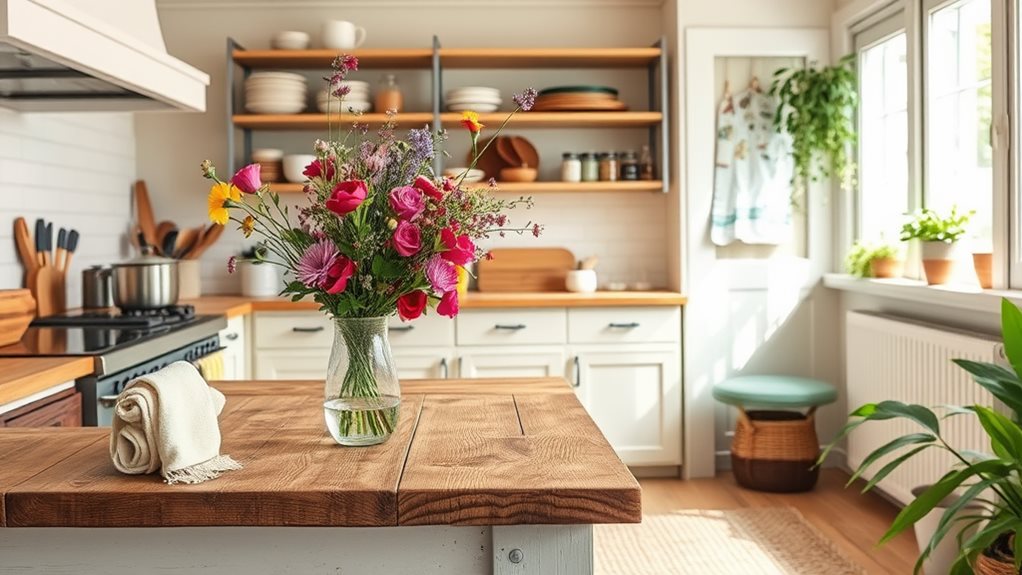
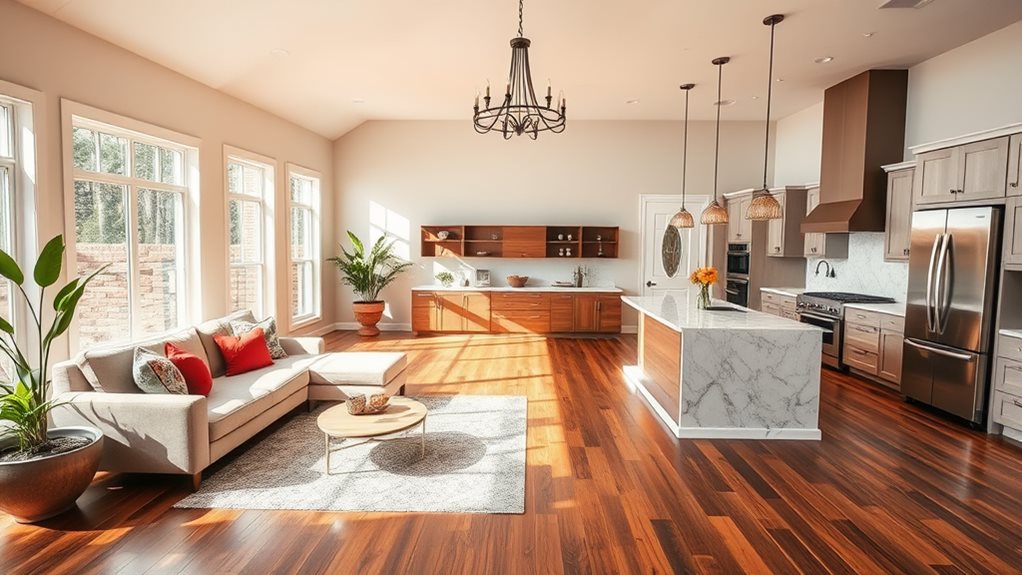
Whole home remodeling revamps your space, enhancing both functionality and style to fit your lifestyle. Start by assessing your current layout and identifying problem areas. Then, set a realistic budget that includes all expenses and a contingency fund. Develop a design vision by gathering inspiration and creating a mood board that reflects your personal taste. Choose durable materials that complement your desired aesthetics, and always keep practicality in mind. Finally, coordinate the remodeling process with a qualified contractor to ensure smooth execution. By understanding these key elements, you can create a space that's truly your own. More insights await!
Assessing Your Current Space
Before diving into your home remodeling project, take a moment to assess your current space. Start with a thorough space evaluation to understand what you have and what you can improve. Walk through each room and note the areas that feel cluttered or dysfunctional. Identify the layout and flow of your home—are there obstacles that disrupt movement?
Next, conduct a functionality analysis. Ask yourself how well each space serves its purpose. Is your kitchen accommodating for meal prep, or is it cramped and inefficient? Check if your living room fosters relaxation or feels chaotic. Consider your lifestyle and how your family interacts within these spaces.
Don't overlook the natural light and ambiance; these elements can significantly impact how you feel in your home. Take notes on what works and what doesn't, and visualize how changes can enhance your daily life.
Setting a Realistic Budget
Setting a realistic budget is crucial for the success of your home remodeling project. Start by conducting a thorough cost estimation, taking into account all elements of the renovation. This means considering not just materials and labor, but also permits, design fees, and unexpected expenses.
It's wise to allocate an additional 10-20% of your budget for contingencies, as surprises often arise during renovations.
Next, create a detailed list of each project component and assign a specific cost to each. This helps you visualize where your money will go and ensures you stay within your limits.
As you move forward, implement expense tracking to monitor spending in real-time. Use spreadsheets or budgeting apps to log expenses, making it easier to identify any budget overruns before they escalate.
Don't forget to prioritize your needs versus wants. If certain aspects of your remodel are non-negotiable, allocate more funds there and consider scaling back on less critical elements.
Developing a Design Vision
A clear design vision is essential for a successful home remodeling project. It sets the tone for every decision you'll make, from layout to color schemes. Start by gathering design inspiration from various sources—magazines, social media, and even friends' homes. Create a mood board that captures your ideas and aesthetic preferences. This visual reference will help you articulate your vision more clearly.
Next, consider how you want your space to feel. Do you lean toward modern minimalism, rustic charm, or eclectic styles? Understanding your personal aesthetic will guide you in selecting elements that resonate with you.
Think about the functionality you desire, too. A well-designed space shouldn't only look good but also serve your lifestyle needs.
Don't hesitate to explore different styles and combinations. Mixing elements can yield unique results that reflect your personality. As you refine your vision, keep your budget in mind, ensuring that your goals remain achievable.
Ultimately, a well-defined design vision will streamline the remodeling process and help you create a cohesive space that you and your family will love for years to come.
Choosing Materials and Finishes
Your choice of materials and finishes can significantly impact the overall look and functionality of your remodeled space. When selecting, consider both aesthetics and durability.
Start with sustainable options that align with your values and the environment. Materials like bamboo flooring or recycled glass countertops not only look great but also showcase your commitment to sustainability.
Next, pay attention to color trends. Earthy tones, soft pastels, and bold jewel colors are popular choices that can breathe life into any room. Think about how these colors will harmonize throughout your home and complement your existing design vision.
Don't forget practicality! Choose finishes that can withstand daily wear and tear, especially in high-traffic areas like kitchens and bathrooms. For example, quartz countertops are both stylish and resilient, making them an excellent choice for busy spaces.
Finally, remember to balance texture and sheen. Mixing matte and glossy finishes can create visual interest and depth.
Coordinating the Remodeling Process
As you embark on the remodeling journey, coordinating the process effectively can make all the difference in achieving your vision. Start by establishing a clear project timeline, outlining each phase of the remodel from design to completion. This timeline serves as a roadmap, helping you keep track of progress and ensuring that the project stays on schedule.
Next, focus on contractor selection. Choose a contractor who not only understands your vision but also has a proven track record in similar projects. Schedule interviews, check references, and review past work to ensure you're hiring someone you can trust.
It's crucial to communicate your expectations clearly, as this lays the groundwork for a successful collaboration. Regular check-ins with your contractor throughout the process can help address any concerns or changes quickly.
Be flexible—unexpected issues may arise, but how you respond can determine the project's success. By coordinating the project timeline with effective contractor selection and communication, you'll create a smoother remodeling experience, allowing you to enjoy the transformation of your space without unnecessary stress.
Conclusion
In conclusion, a successful whole home remodeling project hinges on careful planning and thoughtful execution. By assessing your space, setting a realistic budget, and developing a cohesive design vision, you lay the groundwork for an enjoyable transformation. Choosing the right materials and finishes further enhances the aesthetic and functionality of your home. Finally, coordinating the remodeling process ensures everything runs smoothly. With these steps, you're well on your way to creating a space that truly reflects your style and needs.
About The Author